How to Start the Low FODMAP Diet: The Complete Plan for Beginners (2026)

If you don't have time to read the full article, here is what you need to know:
The FODMAP diet is a process, not a list: The low FODMAP diet is not just a list of ingredients to avoid. It is a short term, three-step process where you eliminate triggers to calm your digestion, and then (crucially) test ingredients to find your specific tolerances. This will give you freedom.
The beginner trap: Most people download a basic food list and get stuck in step one. This leads to a restricted, miserable diet that can actually harm your gut health long-term.
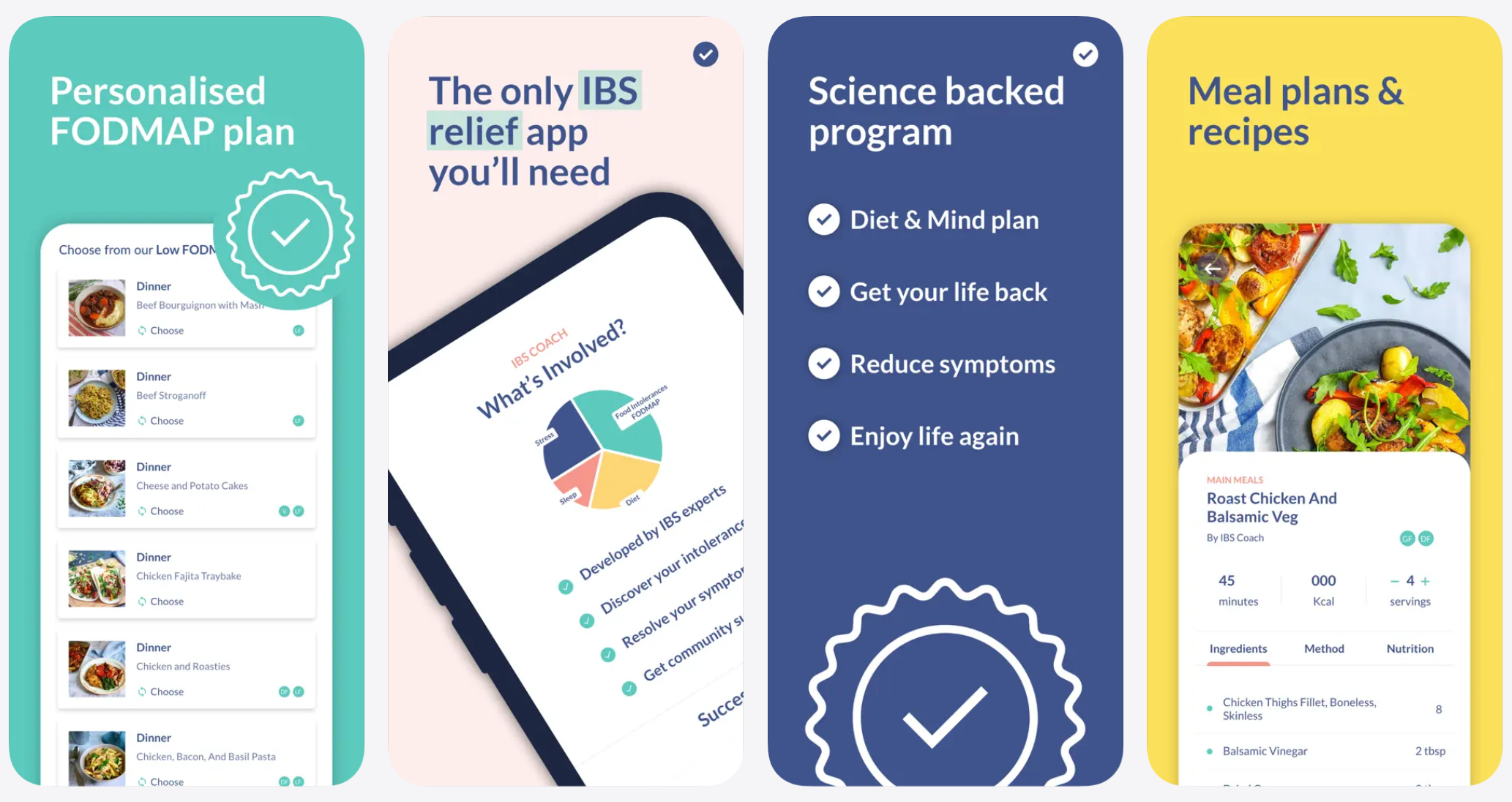
The best way to start: If you’re new to the low FODMAP diet, don’t rely on a food list - you need a complete FODMAP plan. For beginners, the recommended plan is the IBS Coach: FODMAP Diet Planner app. It’s dietitian approved, and guides you through the whole process, with recipes, grocery lists, tracking - and most importantly - it will guide you through the steps to identify your specific triggers. You’ll save months of stressful guesswork.
How to Start the Low FODMAP Diet in 2026
This is the guide I wish someone had written for me when I was first starting the low FODMAP diet. My goal is to help you avoid the same mistakes I made, so you don’t waste months doing the wrong things and relying on food lists that don’t help long term.
You know the feeling. The bloating that creeps in after a meal. The trapped gas you can't shift. The stomach that lurches before a meal out because you've learned the hard way that eating the wrong thing means an evening on the sofa. Or worse, scanning the room for the nearest toilet.
Don't make the mistake I made
Muddling my way through a restricted diet with a food list was my life for the best part of two years. And it turns out I wasn’t alone. A recent study shows people with IBS spend between one and four years trying to manage their symptoms, piecing together food lists and hoping something sticks before they find a structured plan that actually works. I was one of them.
When I finally decided to try the low FODMAP diet properly, I did what everyone does and searched for an app. I downloaded six of them. I learned that garlic was red and rice was green on a traffic light system. I then spent weeks eating variations of chicken and rice. My symptoms improved, but my life and enjoyment got smaller and smaller.
Here is what no one told me
The low FODMAP diet is not a food list. It is a three-phase protocol involving elimination, reintroduction, and personalisation. The food list is part of step one. I was stuck on step one trying to create recipes from a food list, too nervous to test anything new and with no idea how to move forward.
IBS Coach was the app that got me unstuck
After four weeks of low FODMAP meals and the structured reintroduction tests, I knew exactly which FODMAPs and foods triggered my symptoms and which ones I could eat freely. That is the actual goal of this diet: not permanent restriction, but calm digestion and the freedom to eat without anxiety.

An experienced review: Why IBS Coach is the #1 FODMAP diet app
IBS Coach is the only FODMAP app that guides you through the complete low FODMAP diet across all three phases. Every other app I tested is either a food database or focuses on something other than diet, like hypnotherapy. Those are useful tools, but none of them walk you through the protocol from start to finish.
IBS Coach app is best for: Anyone searching for a FODMAP app for beginners. If you want a complete plan including daily meals, recipes, and a simple reintroduction schedule without the guesswork, this is the app to download.
Note: If your symptoms are severe or complex, always start with your GP. You can also find a registered dietitian through the BDA directory.
It's not for: People who already know their triggers and just need a quick food reference.
Dietitian Approved: IBS Coach: FODMAP Diet Planner app.The beginner-friendly, complete FODMAP plan to feel good again. We highly recommend it.
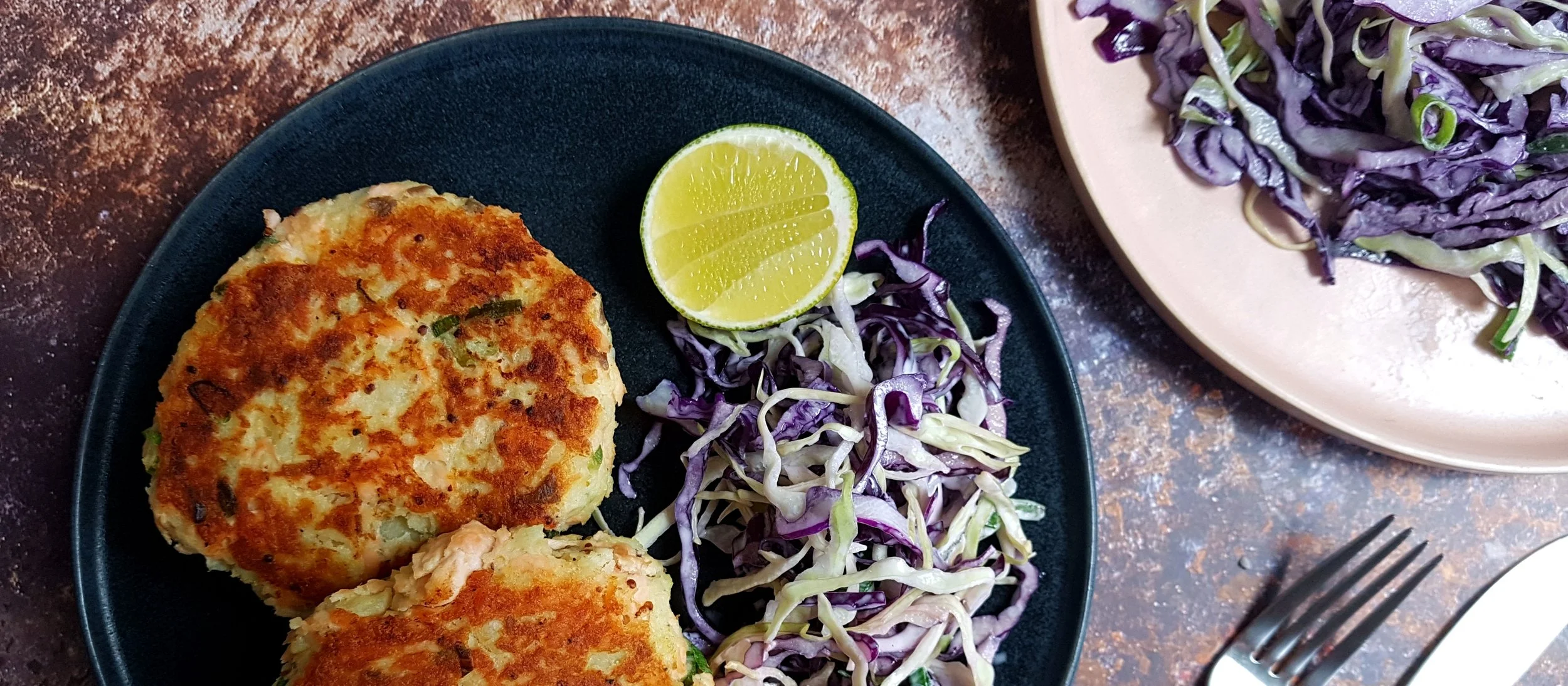
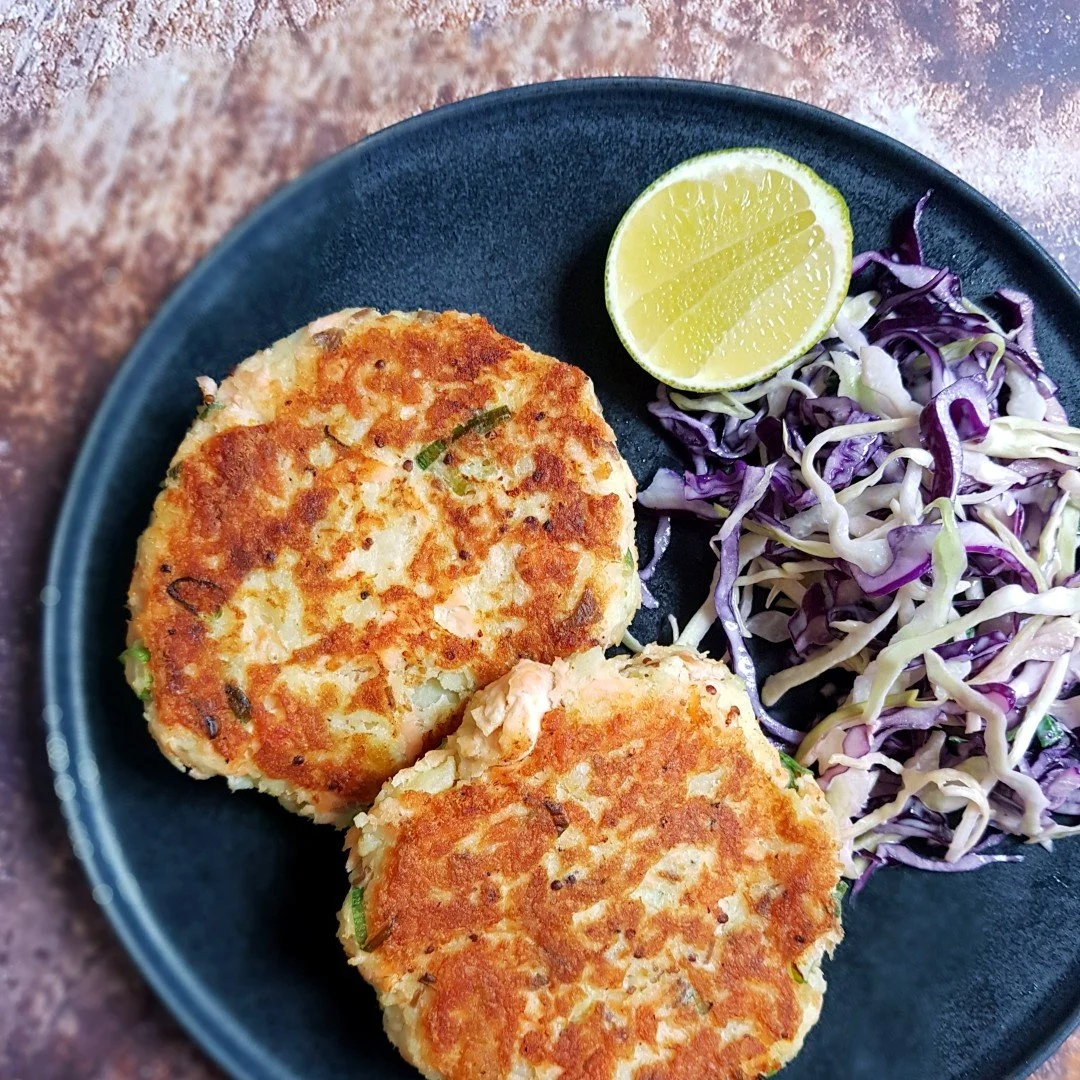
Low FODMAP potato cakes with Asian slaw. Dietitian approved recipe from IBS Coach.
The 3 phases (and why most people get stuck)
The low FODMAP diet has three phases. Understanding this is the difference between the diet working and becoming a long term restricted diet.
Phase 1: Elimination (2 to 6 weeks)
You swap high-FODMAP foods for low-FODMAP alternatives. The bloating subsides and your gut calms down. Sounds simple, but this is where most people give up.
You are handed a list of ingredients and left to figure out what to cook. If you eat the wrong thing by mistake, it can set you back days. What you actually need at this stage isn't a food list. You need dietitian-approved recipes, a weekly shopping list, and a Dietitian approved low FODMAP meal plan so you know what is working.
Phase 2: Reintroduction (6 to 8 weeks)
Once your symptoms are under control, you systematically test specific FODMAP groups like lactose, fructose, and fructans. You do this one at a time, in controlled portions, with rest days between tests.
This is how you find your triggers. It is also where the diet falls apart for most people. You need to know which food to test and how much to eat on day one versus day three. Almost every app stops helping here. They will tell you what is high-FODMAP but they won't schedule the tests or manage the "rest" periods.
Phase 3: Personalisation
You build your long-term diet around what you have learned. The goal is maximum variety with minimum restriction. Most people never reach this stage because they never complete Phase 2. They stay in elimination permanently, cutting out foods they might tolerate perfectly well.
A food database can tell you garlic is high-FODMAP. It cannot tell you when to start testing, what food to use for the challenge, or how long to wait before testing the next group. I lasted four days before giving up on my DIY spreadsheet. This is exactly where a complete FODMAP diet plan helps!
The complete FODMAP diet plan: what IBS Coach gives you
A low FODMAP meal plan from day one
You open the app and it tells you what to eat. You get breakfast, lunch, dinner, and snacks as actual recipes with quantities. It is not a database to browse. It is a plan to follow.
I had been spending an hour before every meal cross-referencing a database, terrified of getting it wrong. With IBS Coach, the mental relief was immediate because I just cooked what the plan said. The recipes surprised me too. Instead of bland "safe food," I was cooking meals my whole household happily ate.
Dietitian Approved: IBS Coach: FODMAP Diet Planner app. The beginner-friendly, complete FODMAP plan to feel good again. We highly recommend it.
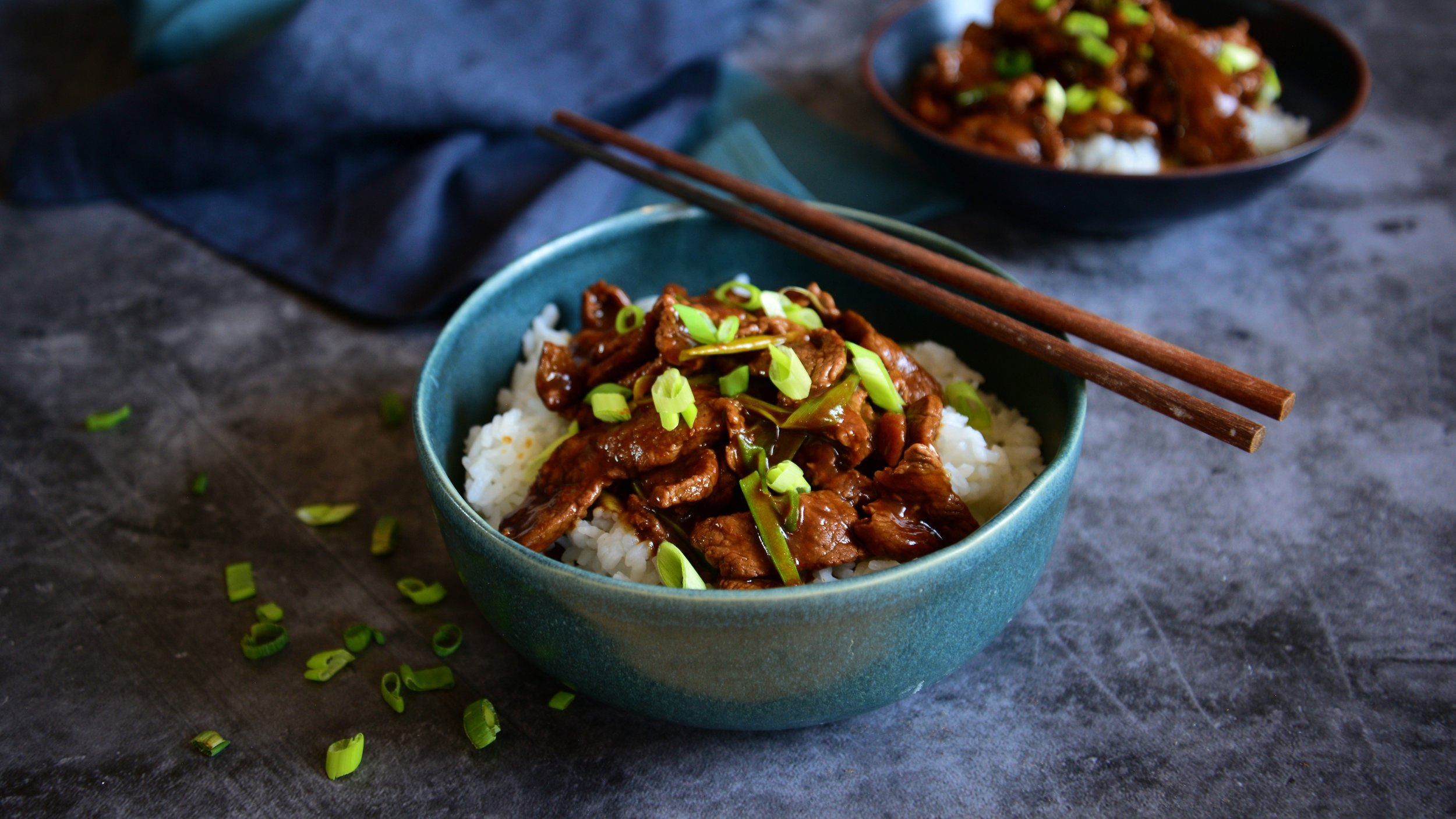
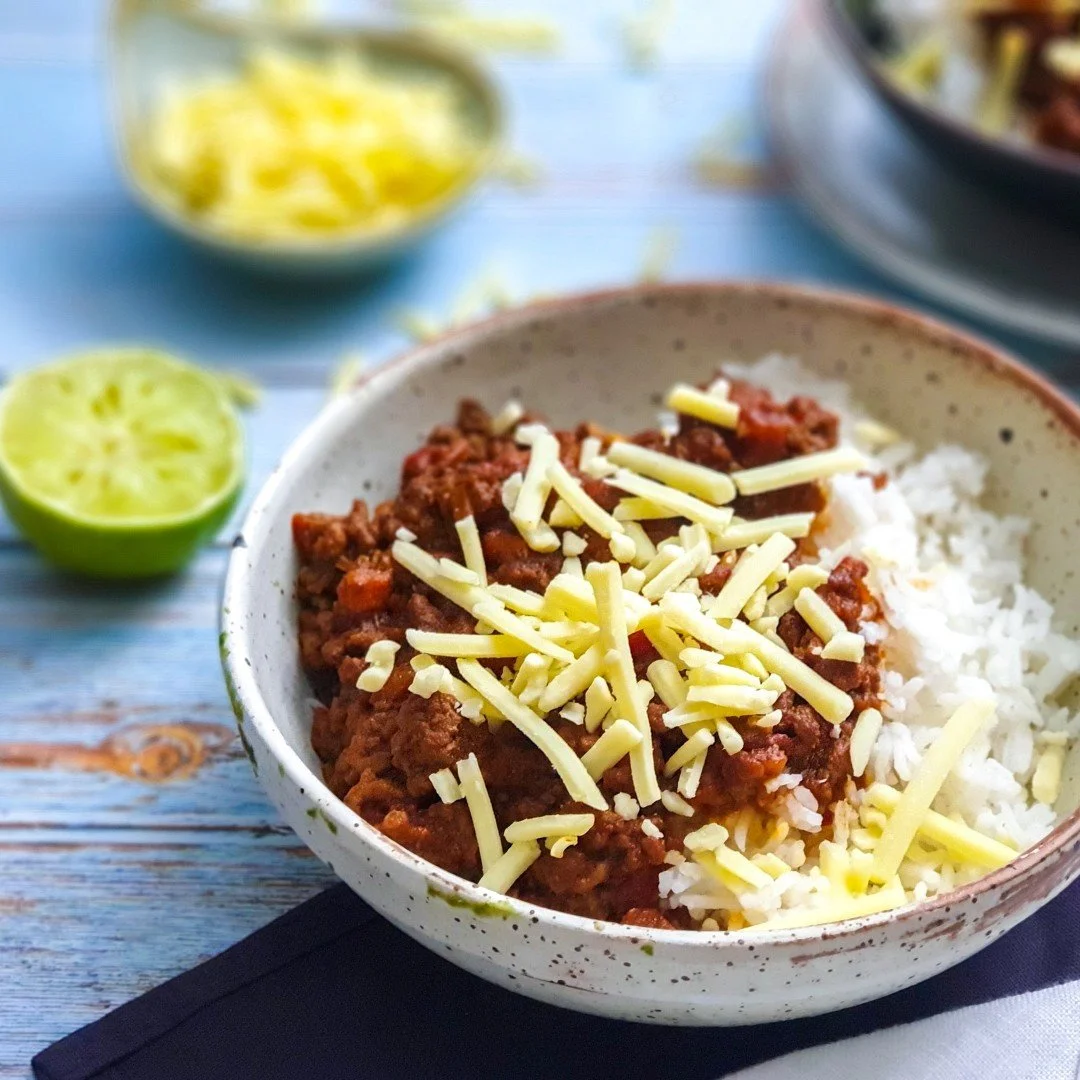
Low FODMAP Mongolian Beef: one of the dietitian approved recipes from IBS Coach.
Structured FOMDAP testing is why the app is worth paying for, (and staying for)
Once you have completed the 28-day elimination phase, the app moves you into a structured testing schedule. If you’re like me, you’ll will have felt better in the first two weeks and consider cancelling the app and moving on with your life. Don’t be tempted to stop the plan early. The real value comes from finding out your personal triggers.
Here is what that looks like:
Choosing what to test: The app let’s you choose the FODMAP group to test first (typically lactose) and tells you which food to use for the test.
The three-day test: It walks you through a test where you increase the portion size over three days while logging your symptoms.
Washout days: It automatically builds in rest days. This stops symptoms from one test affecting the next, which is a common mistake when managing it yourself.
Your personal trigger profile: By the end, you know exactly which foods cause you problems. For example you might find out that you can handle onion in larger amounts, but lactose in milk is a guaranteed flare-up. Without this testing, I would have cut both out unnecessarily.
The app made the reintroduction easy: follow the steps, log the symptoms, and trust the schedule.
What I didn't like
You can't skip ahead: The programme starts at day one. If you have already been doing the diet for a few weeks, you have to redo some ground, which can be frustrating. The recipes are great though, so it’s not all bad.
There are better apps for food lists: IBS Coach has a comprehensive food list, but for rare ingredients you might want to consider the FODMAP A-Z app. The two tools work well side by side.
But what does it cost?
IBS Coach is a subscription of around £5 per week during the programme. That stung at first, but I had to think about what I was actually comparing it to.
The cost of doing nothing was what I was already paying: another year of bloating, cancelled plans, and food anxiety. The alternative is a private dietitian. While that is the gold standard, sessions typically run £70 to £100 per hour. You usually need three or four sessions, meaning a total cost of £200 to £400. The app was the obvious middle ground for me.
The best FODMAP app for beginners: which do you need?
For checking foods: a lookup app
FODMAP Diet A-Z: Free, simple, and the best option for quick supermarket lookups.
For the complete diet: a guided plan
IBS Coach: The only app that structures the full protocol for you. In my experience, this is the #1 FODMAP app for anyone doing this for the first time.
The bottom line
The low FODMAP diet works for around 8 in 10 people, but the problem has never been the science; it is the execution. People download a food list, get stuck in elimination, and end up on a restricted diet for months. IBS Coach is the only app I found that solves this. It gets you to the actual finish line: knowing your triggers, eating as broadly as you can, and finally getting on with your life.

The IBS Network has closed its doors. So where do you go now for evidence-based support with IBS and digestive issues? We map the complete UK picture - from FODMAP diet apps and registered dietitians, to free NHS webinars, dietitian-approved recipes, alternative charities and your local GP - so you know exactly which one is right for where you are right now.